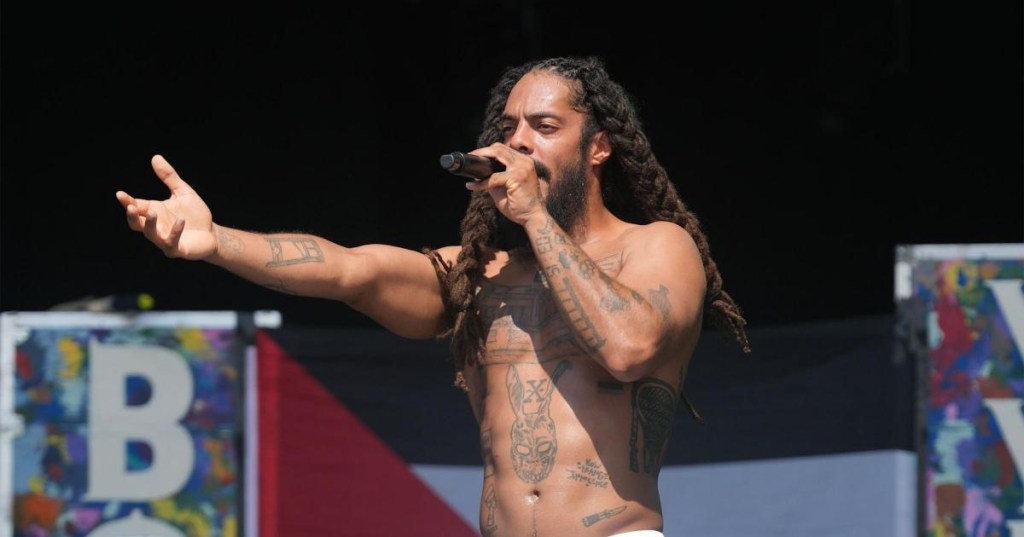
This is the opening to my essay on the debate around Bob Vylan, Lucy Connoly and free speech, published in the Observer on 5 July 2025. You can read the full version in the Observer.
In October 1989, the Muslim Institute helped organise a meeting on the Salman Rushdie affair at Manchester town hall. It had been eight months since Iran’s Ayatollah Khomeini had imposed his fatwa calling for the killing of Rushdie for his “blasphemous” novel The Satanic Verses, forcing the writer into hiding for a decade.
On the platform was the institute’s founder, Kalim Siddiqui, an enthusiastic supporter of Iranian theocracy. The fatwa, he told the audience, was just, and Rushdie had to die. Who in the audience agreed, he asked. Most raised their hands. How many, he continued, would be willing personally to kill Rushdie. Most kept their hands up. It was an electrifying, terrifying moment, caught by TV cameras, replayed on the evening news and discussed in parliament.
The International Committee for the Defence of Salman Rushdie, formed after the fatwa, discussed whether to press the authorities to charge Siddiqui with incitement to murder or to perhaps launch a private prosecution themselves. The chair of the committee, Frances D’Souza, opposed any such move. Neither Siddiqui nor his followers, she told me years later, had been “in any position to carry out the fatwa … They had no weapons, no knowledge of Salman’s whereabouts and no immediate intention of carrying out their threats. Therefore, using the famous American court ruling on incitement, there was no ‘clear and present danger’ of Siddiqui’s words becoming action.” The committee agreed and decided not to pursue any prosecution.
Today, that decision might seem astonishing. Attitudes to incitement have transformed over the past four decades. The threshold for deciding what constitutes incitement has become lower. And perceptions of incitement have become, even more than in the past, defined by one’s political view of what is being incited. Both these trends are visible in the two cases that have dominated much public discussion in recent weeks: those of Lucy Connolly and Bob Vylan.
Read the full version of the essay in the Observer.
 Pandaemonium