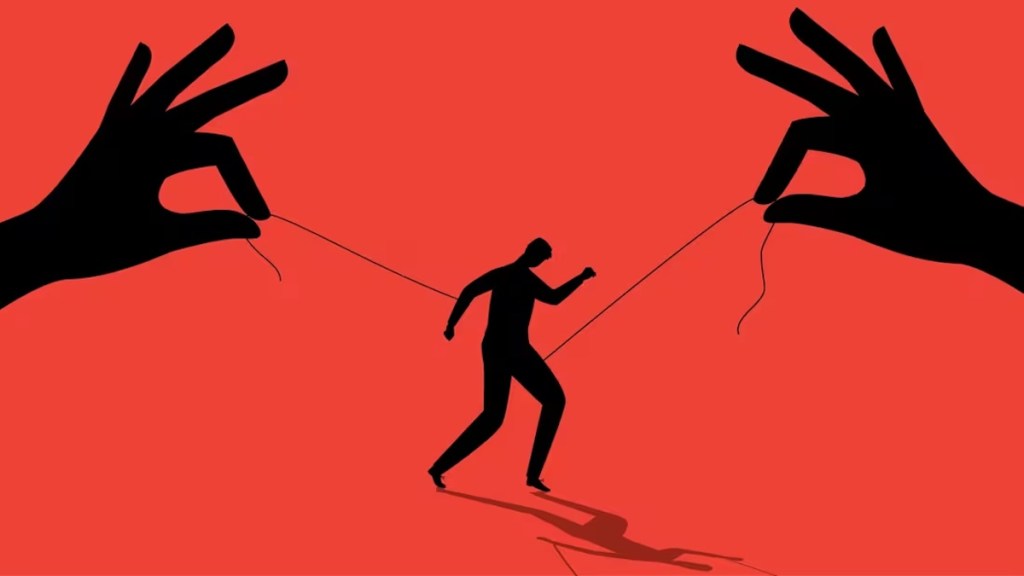
This is the opening to my essay on government attempts to cover-up a catastrophic data breach on the Afghan resettlement scheme, published in the Observer on 20 July 2025. You can read the full version in the Observer.
It is a cliche that a cover-up is usually worse than the cock-up it is attempting to conceal. In the case of the Afghan superinjunction, the story of which was finally revealed last week, the cock-up – a data breach that potentially handed to the Taliban names and details of thousands of locals who had worked with British forces, as well as of British spies and members of the special forces – was about as disastrous as it could get. Yet so egregious was the cover-up that the cliche still rings true.
In February 2022 – six months after Britain had chaotically pulled out of Afghanistan – a soldier at UK special forces headquarters in London, verifying applications from Afghans who had worked with British forces for resettlement in this country, accidentally and calamitously emailed to various contacts the names and details of nearly 19,000 Afghans seeking refuge.
It took 18 months for the authorities to realise there was an issue, until alerted by a refugee support worker who had spotted a Facebook post with details from the database. At the same time, the journalist Lewis Goodall heard about the data breach from a source. When he contacted the Ministry of Defence, Goodall was immediately summoned to a secret court hearing that imposed a superinjunction on him – not only could he not report the breach, he could not even report that he had been injuncted. As other journalists became aware of the story, they too were silenced by the superinjunction. A cloak of invisibility covered both the data breach and the government’s response, and remained there until last week.
Read the full version of the essay in the Observer.
 Pandaemonium