This is the opening to my essay on the the value of knowledge and the place of AI, published in the Observer on 3 August 2025. You can read the full version in the Observer.
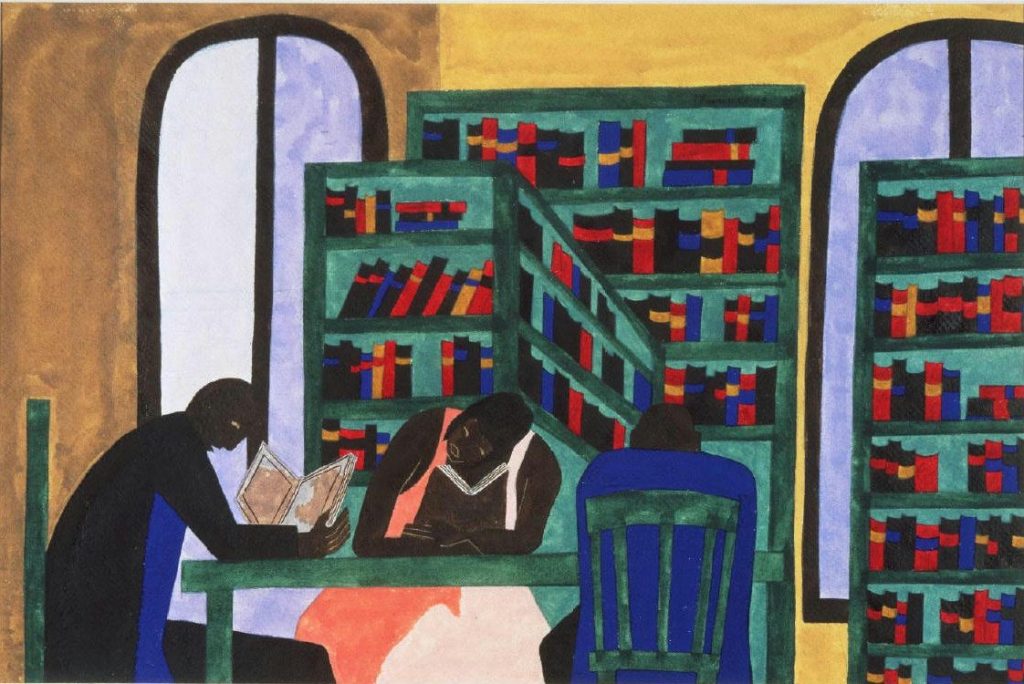
In 1940, the translator and educator AJ Jenkins organised a survey of the reading habits of working-class children. The study, mostly of students who would leave school to enter the workforce at 14, looked at what they had read outside the school curriculum in the previous month. Jenkins worried that boys, especially, read too little, and then only detective novels or adventure stories. Yet from the perspective of the 21st century, what stands out is the depth of their reading of classic works.
Among the books the children had read in the previous month were The Pilgrim’s Progress, Gulliver’s Travels, Jane Eyre, The Pickwick Papers and The Mill on the Floss. Boys had managed four to six books, girls one or two more than that.
It is a list, and an appetite for reading, that might challenge many today. Surveys suggest that both children and adults read less than they used to, and find less enjoyment doing so. Even university students seem to struggle. The Oxford professor Jonathan Bate claimed last year that where once students could read three books a week, today they toil to complete one in three weeks. Others have suggested that students find it difficult to read whole books – a perception that is echoed on the other side of the Atlantic, too.
Such claims are often contested, and there is sometimes a whiff of a moral panic. Nevertheless, the contrast with reading habits of a century ago – particularly among workers – is again striking.
“I sat there on my toolbox, half a mile from the surface,” wrote the Nottinghamshire miner GAW Tomlinson in his autobiography Coal-Miner, “one mile from the nearest church, and seemingly hundreds of miles from God, reading The Canterbury Tales, Lamb’s Essays, Darwin’s Origin of Species, Wilde’s The Ballad of Reading Gaol, or anything I could manage to get hold of.” Once, he was so absorbed in Oliver Goldsmith’s poem The Deserted Village that he allowed tubs full of coal to crash into empties.
Read the full version of the essay in the Observer.
 Pandaemonium